Imagine you are reading an article or using an app, and suddenly an advertisement pops up and blocks your screen. This interrupts your flow and creates a disruptive and frustrating experience. This is how traditional advertising works. Since they target maximum user attention, these ads pop up when you are engaged in an activity. Can marketers advertise without disturbing users? If yes, then how? That’s where native advertising comes in. Unlike traditional advertisements, native ads are marketed without disrupting the user experience, as they feel like a part of the actual content. In this article, you will get insights into native advertising, the way it works and the benefits it offers.
What is Native Advertising?
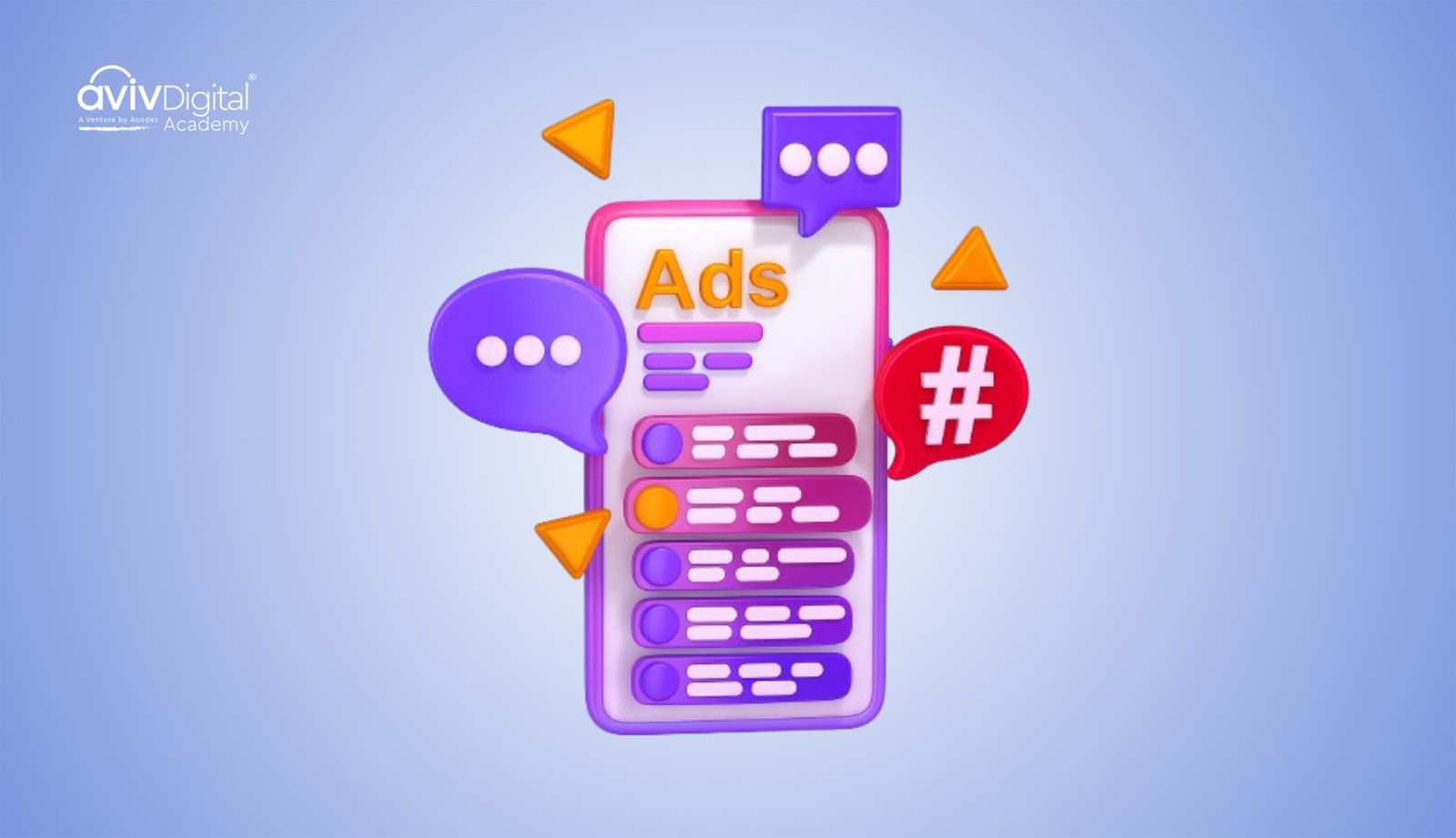
Native advertisements are paid advertisements where the ads integrate into the original content and format of the website or app they appear on. Or more simply, they are ‘ads in the form of content’. Native ads account for over 60% of display ad spending in the US, projected to reach $100 billion globally by 2025. Native ads feel like normal content for the user, and they don’t interrupt user activity. They don’t pop up as notifications.
Native ads are labelled as ‘Sponsored’ or ‘Ad’ to indicate that they are advertisements. When you scroll through posts in platforms like LinkedIn and Facebook, a promotional post may appear with the same layout as other posts, but with a ‘sponsored’ label. This is a classic example of a native ad.
Evolution of Native Advertisements
Though it may seem that the concept of native advertising is novel in the marketing field, it is more than a century old. While the term ‘Native Advertising’ was coined in 2011 by Fred Wilson at the Online Media, Marketing and Advertising conference, this way of advertising has been popular since the late 19th century.
Late 19th – Early 20th century: With the rise of print media, ‘Advertorials’ became a form of marketing. Advertorials are advertisements in the form of an editorial. It uses the same style of writing and layout of editorials in the host publication.
A notable example is the famous advertorial titled ‘The Penalty of Leadership’ by Cadillac appeared in The Saturday Evening Post in 1915.
1920s – 1990s: As radio and TV became dominant, advertising also shifted to audio and video means. Families relied on these media for information and entertainment, and businesses paid to market their products through them, to show characters of a show using products of their brand. People unknowingly are absorbed into ads without knowing they are ads.
Drama shows that originally aired on the radio, later on TV, were sponsored by brands such as Procter & Gamble, which made soap and cleaning products. These shows were funded by these brands, and the characters sometimes casually mentioned or used their products, encouraging viewers to buy the same. Due to the heavy sponsorship from soap brands, daily dramas eventually came to be known as ‘Soap Operas,’ signifying the brands’ influence.
1990s – 2000s: In the late 1990s, as the world entered the internet era, native advertising began moving from radio and TV to digital media. Early digital ads were banner ads and pop-ups, which were often ignored by users. It led to the widespread use of ad-blockers as people found these ads disruptive and annoying. That is when businesses thought of integrating ads into content. As a result, the first versions of digital native ads appeared on websites.
- Search engines like Yahoo and Google included paid links in the search results, with a small label indicating that they were sponsored.
- Brands paid bloggers to write product reviews that looked like normal posts.
- Platforms like Outbrain and Taboola added content suggestion boxes such as “You may also like” and “Recommended for you” to recommend sponsored articles alongside regular content.
- E-commerce websites like Amazon displayed sponsored products inside the “Recommended items” section, making ads appear as part of the shopping list.
2010 onwards: Native advertising became more advanced, personalised and deeply integrated into everyday digital experiences. People willingly watched ads as they became more engaging and entertaining. Brands started using funny, interesting and clever ways of marketing. A few examples of native advertising in the social media era :
- Zomato sends notifications like “Hey! Biryani misses you!”, “Your stomach has an unread message!” This humorous way of marketing makes users engaged and feel connected to the brand.
- Social media creators mentioning brands in their videos or posts is a paid native promotion.
Native advertising has come a long way. What began as a form of marketing that did not disrupt people has now evolved into smart, personalised content that audiences enjoy watching.
Types of Native Ads
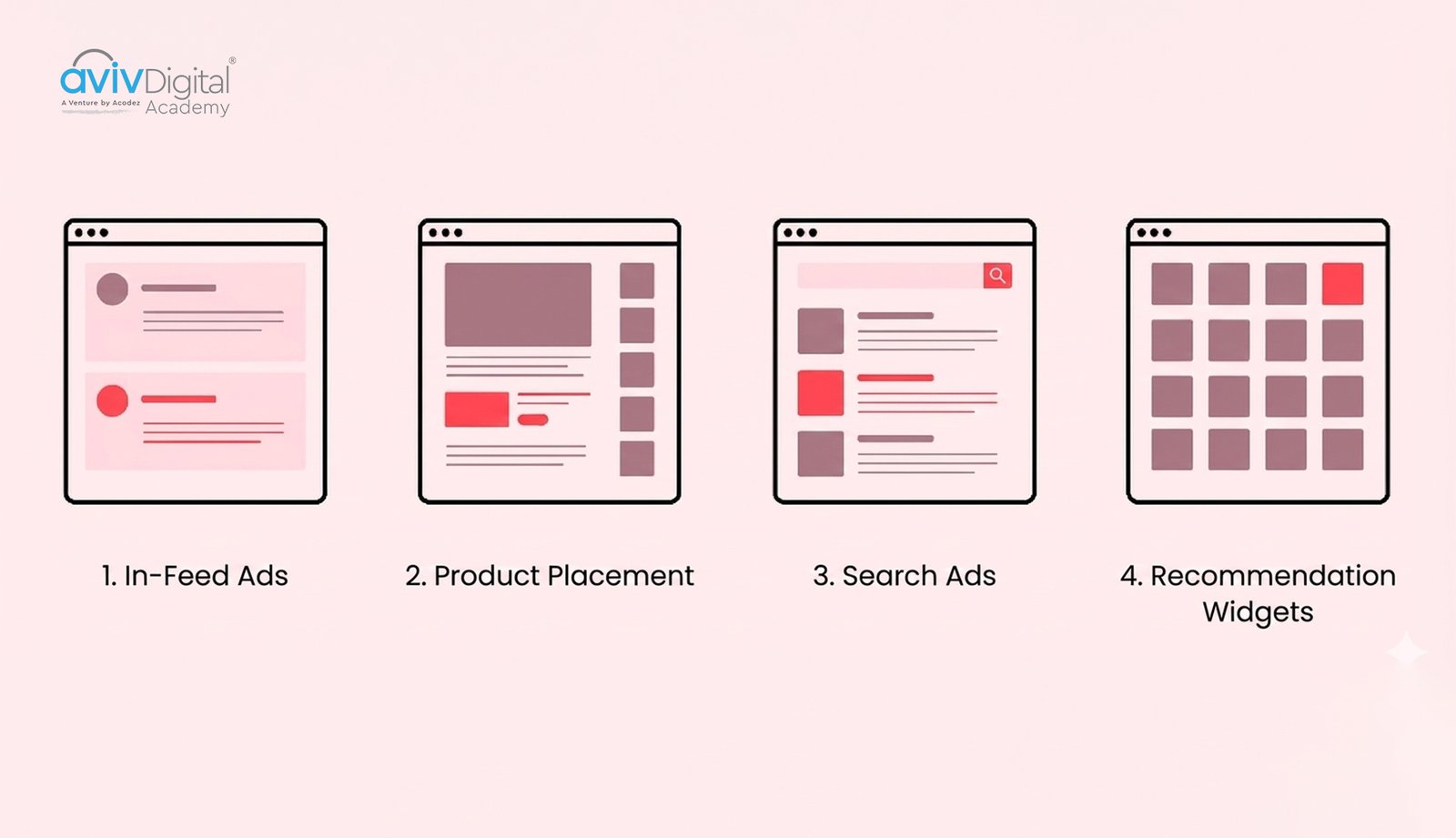
1. In-Feed Ads
These are sponsored contents that appear on websites and social media platforms matching the design, font and style of the host platform. People consume this content as part of scrolling instead of being interrupted and feel like they are viewing regular content.
- Sponsored posts on Instagram and promoted posts on LinkedIn that appear among regular content are actually in-feed ads
- Instagram Stories native ads have a 23% higher engagement rate than feed ads.
2. Product Placement
Characters in movies and shows often use branded products. This is not random, but a deliberate marketing strategy known as product placement. This can make viewers feel connected to the brand.
- Coca-Cola placed their bright red cups on the American Idol judges’ table. Also, the contestants were often shown seated in the Coca-Cola-branded lounge. This is one of the influential examples of product placement on television.
- While Coca-Cola sponsored American Idol, Eggo Waffles in Stranger Things is an example of organic product placement. Even though Eggo did not pay for an advertisement, the makers of Stranger Things simply used Eggo Waffles as part of their lead character, Eleven, to evoke a 1980s setting. This made the brand popular among Gen Z, and its sales significantly increased. Later, the brand leveraged this with promotional partnerships.
3. Search Ads
Paid search ads or search engine native ads are one of the most widely used native ad formats today. A brand pays to show its website whenever users search for certain keywords. The ads match the style and format of normal search results, but with a small label “Sponsored”.
- When you search “Pizza near me”, the first few results will be links from Zomato or Swiggy labelled “Sponsored”.
- Native ads on Facebook achieve an average CTR of 1.73%, compared to 0.35% for banner ads
4. Recommendation Widgets
These are ads placed at the bottom of articles on a website, often labeled “Recommended for you” or “You may also like.” The recommended list usually contains articles from the same website, partner websites, or sponsored content delivered through platforms like Outbrain or Taboola. These ads are personalized and shown based on the user’s interests. Because they blend in with regular content, users are more likely to click on them. In fact, mobile native ads achieve an average click-through rate of 2.2%, compared to just 0.6% on desktops, highlighting how effective personalised native placements are, especially on mobile devices.
Native Ads vs Traditional Ads
| Native Ads | Traditional Ads |
| Non-interruptive as the ad blends into the content matching its format and style | Interrupts the user experience leading the ad to get blocked or ignored |
| Higher CTR as ads feel natural and engaging | Lower CTR as viewers often skip them |
| Personalized ads | Non-personalized ads |
| Educational, entertaining and influencing | Persuasive |
How Native Ads Work?
Native ads are not just ads; they are ads integrated into content that is less disruptive, and users find these engaging. Over 50% of consumers prefer relevant native ads, leading to 84% trust in brands advertising on trusted publisher sites. Sometimes people consume native ads without even noticing they are ads. How do native ads work and how it result in higher conversion rates? Let’s break down:
1. Understanding and targeting the right audience
Unlike traditional ads, native ads don’t show the same ad to every user. Instead, native ads are highly personalised based on user search behaviour. For this, data on a user’s browsing history, pages viewed, articles read, and videos watched are collected. Then, ads relevant to their search and interests will be shown to them. This way, the user too feels the ad is helpful and is more likely to click on it.
- For a user who is watching travel vlogs and following travel-related pages, the ads shown will be travel-related videos or articles like “Top 10 winter destinations”, “Best backpacks for short trips”.
2. Creating Content
For native advertising, the goal is to create ads that don’t look like an ad. Ads are integrated into contents that match the style and format of the platform in which it is placed. Users may not identify at a glance, so click rates will be high.
- Instagram reels by brands such as Zomato and Swiggy feel like funny creator videos rather than ads.
3. Placing Ads in the right spot
Placing ads where people naturally look is a strategy to make users feel that they are viewing a continuation of regular posts. The most common ad placements are in-feed posts on platforms such as LinkedIn, Facebook, and Instagram, product placement in YouTube videos, “Recommended for you” sections at the bottom of articles, Google search results and product listings on e-commerce websites. This approach works because conversion rates for native ads are 2.3× higher than those of standard ads.
- For example, when you are watching a travel vlog on YouTube and the creator says, “I booked this hotel using MakeMyTrip – it is really affordable”, it feels like a casual mention, but it is a strategic native ad placement without interrupting the flow of the video.
4. Adding Disclosure Labels
To ensure transparency, platforms must add labels like “Sponsored” or “Promoted” to ads, indicating that they are paid placements. These labels help users to identify that the post, product or article they are viewing is part of a promotional campaign.
- Google search results show “Sponsored” tags for paid links.
5. User Engagement and Interaction
User engagement is high for native ads because they look like regular content. Many people click on them without even realising they are ads, while others choose to engage as the content matches their interests or is placed during a video or among other posts. Scrolling through ads, clicking on sponsored articles, and watching YouTube videos containing brand promotion are all engagement with native ads. Some native ads are so engaging and entertaining that people willingly consume these ads.
- Swiggy launched a fun challenge, “Voice of Hunger” on Instagram, where users have to record their voice and shape it using Instagram’s sound wave visualizer into food shapes like dosa, ice cream or samosa. This went viral as it felt like a fun challenge, not an advertisement. Users actively participated in the challenge and shared screenshots tagging Swiggy. Within a small timespan, Swiggy saw over 1.5 lakh users become part of this campaign, and it even crossed borders. Through native advertising, they got massive user engagement and free promotion by the same users who would skip a traditional ad.
6. Conversions
As native ads are highly personalised and non-interruptive, users often find them helpful and trustworthy. Since these provide valuable information, entertainment or solutions, people are more likely to click and take action. Signing up, downloading an app, buying a product, and booking a service are all counted as conversions. Native ads convert better because of the reasons, including :
- Content match user interests
- No interruption
- Interactive forms of ads
- Looks like real content
Benefits of Native Ads
- Provides a better user experience
- Higher Click-Through Rates
- Higher conversion rates
- Builds connection with people
- Offers personalised content
- Can retarget users
- More engaging
- Cost-effective
Conclusion
Native advertising has become one of the most effective ways of marketing. As brands increase their digital presence, native advertising turns out to be a boon for them as they can reach their target audience without disrupting them. Native ads blend with content, offering a smooth and seamless experience while building trust and credibility among users. Native ads have proven to be a powerful alternative to traditional advertising, offering more benefits like better conversion rates, user engagement, and creating a more positive brand perception among people. How native ads made the same people who ignored traditional ads, to promote brands knowingly or unknowingly through interactive campaigns, is an advancement in marketing, which indicates a future of smart and more effective advertising.
Aviv Digital Academy is one of the leading Digital Marketing Course in Calicut. We offer a wide variety of globally recognised certification programs that include SEO, SEM, SMM, Email Marketing and Inbound Marketing courses. For more details, Contact us at: +91 8156998844
FAQ
How Do Native Ads Comply with Advertising Regulations?
Native ads must include clear disclosures like “Sponsored” or “Promoted” labels to meet FTC guidelines and avoid deception. This transparency builds trust while distinguishing them from organic content.
What Platforms Are Best for Running Native Ad Campaigns?
Top platforms include Taboola, Outbrain, LinkedIn, and Google for search ads, offering precise targeting and high engagement. Social networks like Instagram excel for in-feed formats due to visual appeal.
Can Native Ads Work for B2B Marketing?
Yes, native ads drive B2B leads effectively through educational content on platforms like LinkedIn, boosting purchase intent by blending with professional feeds. They achieve higher engagement than banners in niche audiences.
How Much Do Native Ads Cost Compared to Other Formats?