Every time you scroll through Instagram and tap “Shop Now” on a product that caught your eye, or click a TikTok video that takes you straight to a checkout page, you are experiencing social commerce firsthand. It is no longer something that is coming; it is already here, reshaping how people discover, evaluate, and buy products. Yet despite how mainstream the practice has become, many business owners and marketers still treat social media as a top-of-funnel awareness tool rather than a direct sales channel. That gap represents both a missed opportunity and a growing competitive risk. This article breaks down exactly what social commerce is, how it differs from traditional e-commerce, why it matters more than ever, and what businesses need to understand to stay relevant.
What Is Social Commerce?
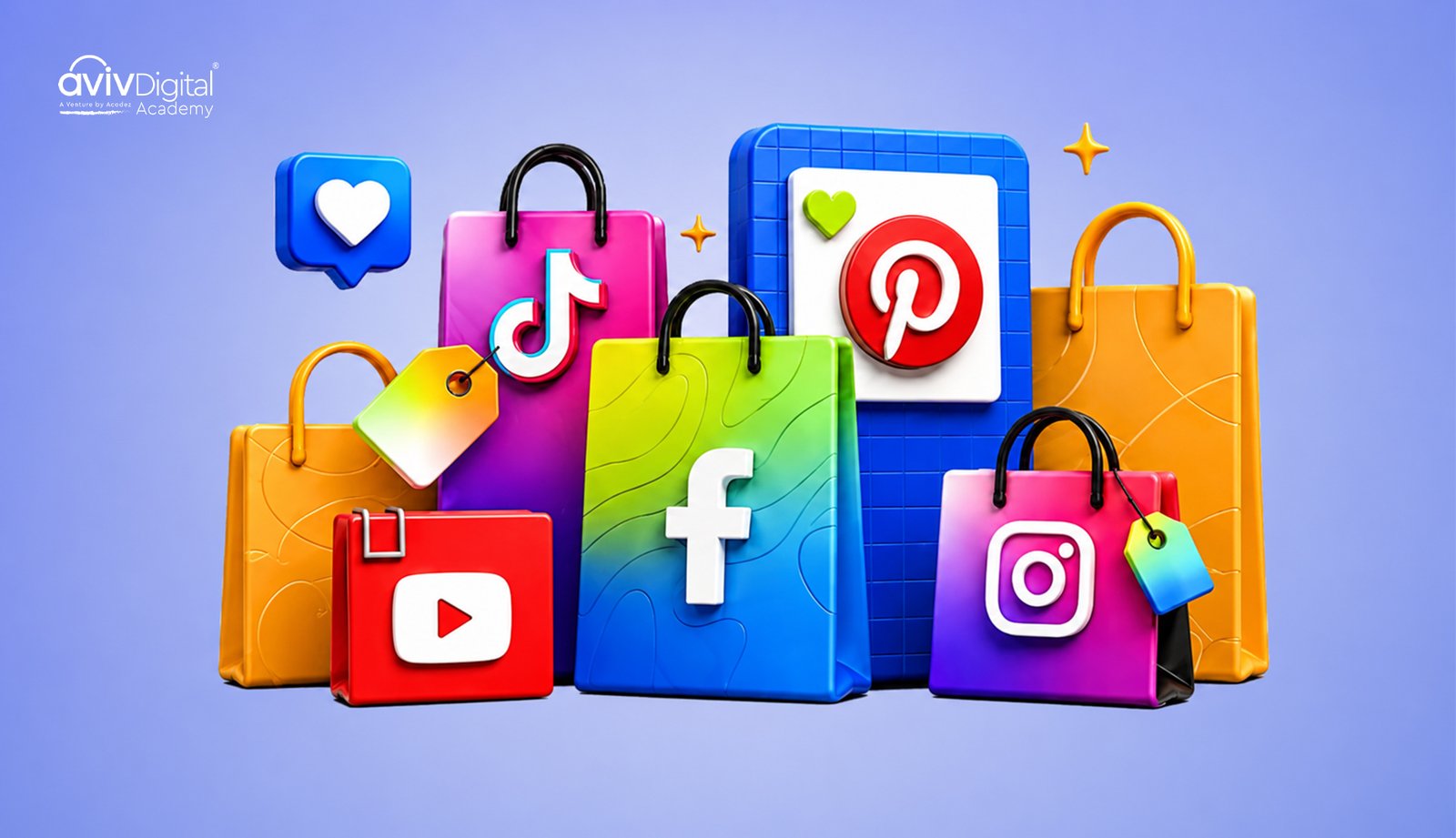
Social commerce is the process of buying and selling products directly within social media platforms, without the customer needing to leave the app to complete a purchase. The entire transaction, from product discovery to checkout, happens inside platforms like Instagram, TikTok, Pinterest, Facebook, or WhatsApp. This is the key distinction from regular social media marketing: instead of using social channels to drive traffic to a separate website, social commerce collapses the funnel.As of 2024, more than 4.2 billion people use social media worldwide, and over 40% of them have purchased through social platforms. A post, a Reel, a live stream, or a pinned image becomes the storefront itself. Think of it this way: traditional e-commerce drives customers to a purchase. Social commerce meets them where they already are.
A Brief History: How Social Commerce Evolved
The term “social commerce” was first used by Yahoo! back in 2005 to describe a set of collaborative shopping tools on its platform. But what we recognise as social commerce today is a product of the 2010s and beyond.
A few key milestones:
- 2010–2015
Facebook introduced “social plugins” that let users share purchases and product reviews. Pinterest launched in 2010 and quickly became a discovery engine for shopping.
- 2016–2018
Instagram introduced shoppable posts, allowing brands to tag products in images. This was a turning point that made browsing and buying far more seamless.
- 2019–2021
TikTok exploded in popularity and began partnering with Shopify and other platforms. Facebook and Instagram rolled out full in-app checkout features. Pinterest launched “Shopping Ads.”
- 2022–Present
TikTok Shop launched in multiple markets, bringing live-stream selling to the West. WhatsApp Business added shopping features. YouTube introduced shoppable videos.
The trajectory is clear: social platforms are becoming full-fledged retail environments.
Social Commerce vs E-Commerce: What Is the Difference?
Many people use these terms interchangeably, but they are not the same thing.
| Features | E-Commerce | Social Commerce |
| Where it happens | Dedicated website or app | Inside a social media platform |
| Discovery method | Search, ads, direct visits | Feeds, stories, recommendations |
| Checkout process | Redirected to external site | Completed within the platform |
| Content type | Product pages, reviews | Videos, live streams, UGC, influencer posts |
| Trust signals | Star ratings, product descriptions | Social proof, community engagement, creator recommendations |
Social commerce does not replace e-commerce; the two often work together. But for impulse-driven categories like fashion, beauty, home décor, and food, social commerce has a distinct advantage: it captures intent at the moment of interest.
Major Social Commerce Platforms in India
Instagram Shopping
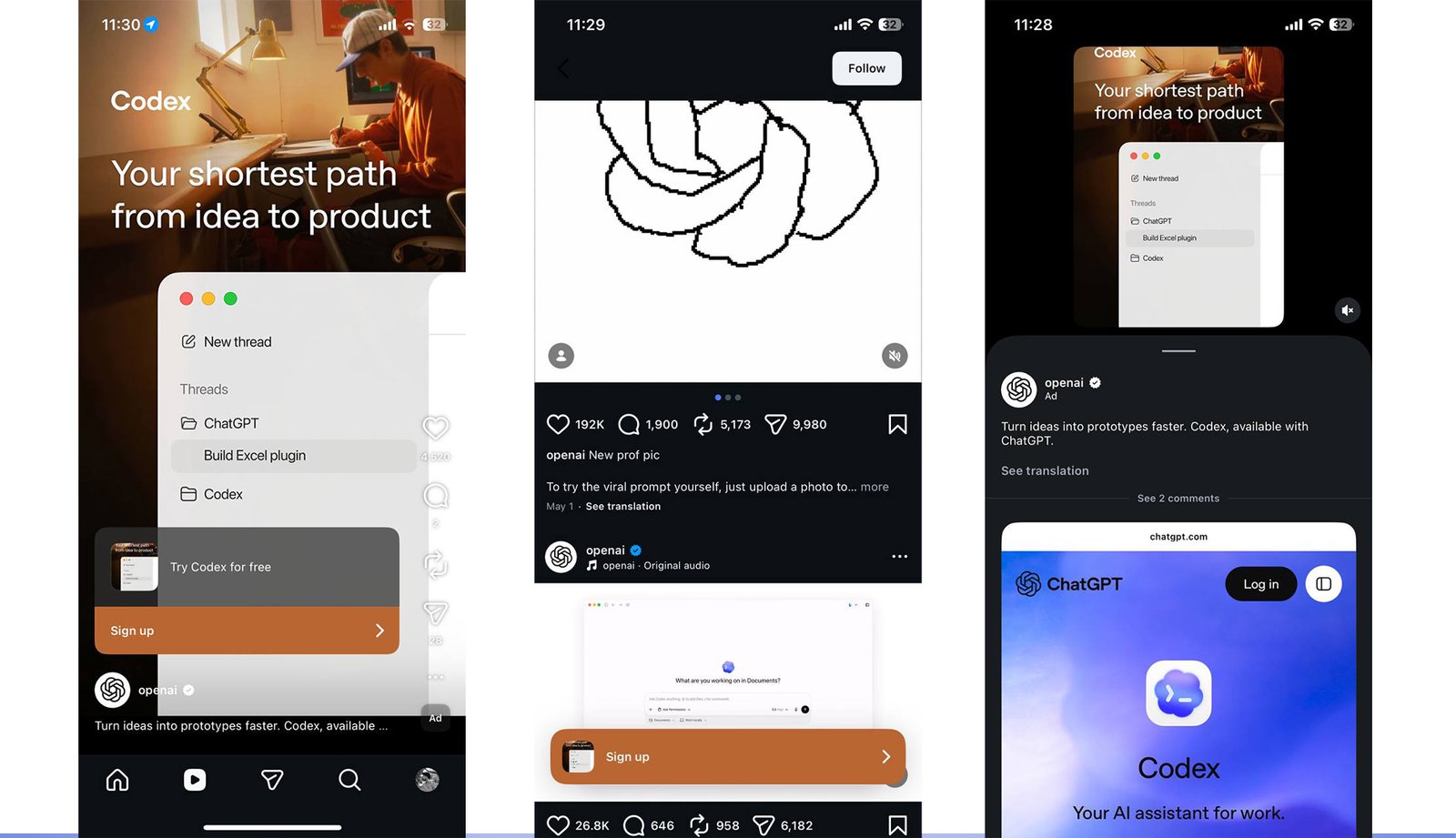
Instagram allows businesses to set up a shop, tag products in feed posts, Reels, and Stories, and guide users to checkout, all without leaving the app. Product discovery happens naturally within the content users are already consuming.
Jio Mart/Meesho + a Few Other D2C Platforms.
D2C Platforms Shop has grown rapidly, blending purchasing in a way no other platform does at the same scale via WhatsApp integrations. Sellers can list products, creators can promote them, and buyers can check out instantly. The country’s massive mobile-first user base presents opportunities for Indian SME’s and start-ups, making discovery highly scalable.
Pinterest Shopping
Pinterest has always functioned as a visual inspiration board, making it a natural fit for commerce. Its “Shopping Spotlights” and buyable pins let users move from inspiration to purchase without friction. The platform’s audience tends to be highly purchase-intent compared to other networks.
Facebook Shops
Facebook Shops allows businesses to build a customisable storefront on both Facebook and Instagram. With WhatsApp integration, businesses can also handle customer conversations and transactions through messaging.
YouTube Shopping
YouTube now allows creators to tag products in videos, making content directly shoppable. Given that millions of people watch product reviews, tutorials, and unboxing videos on YouTube, this feature bridges the gap between educational content and purchase action.
Why Does Social Commerce Matter?
The Buyer Journey Has Changed
Consumers no longer follow a straight line from awareness to purchase. They scroll, save, share, revisit, and buy, often in the same session. Social commerce aligns with how modern shopping actually happens rather than forcing a rigid funnel.
The Numbers Are Significant
Global social commerce sales are projected to reach over $1 trillion by 2028. In markets like China, where platforms like WeChat and Douyin (Chinese TikTok) have been running social commerce at scale for years, social commerce accounts for a significant share of total online retail. Western markets are catching up fast.
Mobile-First Behaviour Drives It
Most social media use occurs on mobile devices. Social commerce fits that behaviour natively; users are already on their phones, already engaging with content, and already comfortable with digital payments. Removing the redirect to a separate website eliminates friction that causes drop-offs.
Trust Is Built Differently Now
Younger consumers, particularly Gen Z and Millennials, trust recommendations from creators, peers, and communities more than traditional advertising. Social commerce integrates peer reviews, influencer endorsements, and user-generated content directly into the purchase moment. When someone sees their favourite creator using a product and can buy it in two taps, that is a fundamentally different selling environment.
Live Shopping Is a Major Growth Driver
Live-stream commerce, selling products in real time during a broadcast, has been a dominant force in China for years. It is now gaining traction in Western markets through TikTok Live, Instagram Live, and YouTube Live. Live shopping creates urgency (limited-time offers, exclusive deals), interactivity (real-time Q&A), and entertainment, a combination that drives conversion rates significantly higher than static product listings. On Black Friday 2024, TikTok Shop drove over $100 million in US sales and ran over 30,000 livestream sessions in a single day.
Data and Targeting Are Highly Refined
Social platforms hold enormous amounts of behavioural data. Advertisers and shops can reach highly specific audiences based on interests, past behaviour, and even purchase patterns. This precision makes social commerce a more efficient channel for many product categories compared to broad search or display advertising.
Who Benefits Most From Social Commerce?
While virtually any product can sell through social channels, certain categories see outsized results:
- Fashion and Apparel: Visual discovery and influencer culture make this a natural fit.
- Beauty and Personal Care: Tutorial-style content drives product awareness and direct conversion.
- Home Décor and Furnishings: Pinterest and Instagram are well-suited to aspirational lifestyle products.
- Food and Beverage: Recipe content, product reviews, and “what I eat in a day” videos create strong purchase intent.
- Consumer Electronics and Gadgets: Review culture on YouTube and TikTok drives a lot of purchasing decisions.
Smaller businesses and independent creators have also found social commerce to be a genuinely level playing field. A product that connects with the right audience through organic content or a well-placed partnership can scale quickly without massive advertising budgets.
The Challenges Businesses Face
Social commerce is not without friction, and businesses need to go in with clear eyes:
- Platform Dependency: Building a storefront on a social platform means operating under that platform’s rules, algorithms, and fee structures. Changes to policies or algorithms can disrupt sales overnight.
- Data Ownership: Unlike a branded website, where you own your customer data, social commerce transactions limit how much first-party data you can capture and retain.
- Content Demands: Social commerce requires consistent, engaging content, not just product listings. Brands need to think like media companies, producing videos, collaborating with creators, and showing up regularly.
- Trust and Returns: Consumers shopping on social platforms may have different expectations around returns, customer service, and product quality. Brands need to manage these touchpoints carefully to protect their reputation.
- Conversion Tracking: Attribution can be murky in social commerce, making it harder to measure true ROI and optimise spend effectively.
How to Get Started With Social Commerce
For businesses looking to move beyond social media as a traffic driver and start treating it as a sales channel, here is a practical starting point:
- Audit where your audience already is. Not every platform makes sense for every business. Find out where your customers spend their time and what kind of content they engage with.
- Set up your shop on one or two platforms first. Start with Instagram or TikTok Shop if you are in a visual product category. Facebook Shops work well if your audience skews older. Pinterest is worth considering for lifestyle and home categories.
- Invest in content, not just listings. Product photos and descriptions are table stakes. The brands winning at social commerce are creating video content, partnering with creators, and building communities around their products.
- Test live shopping. Even a single live-stream event can generate useful data about how your audience responds to real-time selling.
- Integrate customer reviews and UGC. Encourage customers to post about their purchases and make it easy to share that content back through your channels.
- Track and iterate. Use platform analytics and any available UTM tracking to understand what is driving purchases and refine accordingly. Social platforms focus on metrics such as likes, shares, views and engagements. Each time, the target goal must be raised to the next level, such as opting for 10K views to 15 in the next.
The Future of Social Commerce
Social commerce is still in its early stages in most Western markets, even as it matures in Asia. Therefore, understanding or learning such skills is crucial. Choosing an Institution like Aviv Digital Academy puts you ahead of the curve with these skills in demand. Several trends are worth watching:
- AI-Powered Personalisation: Platforms are increasingly using AI to surface the most relevant products to the most receptive users, making discovery even more efficient.
- Augmented Reality Shopping: AR try-on features, already present in beauty and eyewear, are expanding. Being able to virtually try a product before buying it removes a key barrier to purchase.
- Conversational Commerce: Buying through messaging apps and AI chatbots is growing. WhatsApp, Messenger, and newer AI-powered shopping assistants are making the path from question to purchase shorter.
- Creator Economies Deepening: The relationship between creators and brands is becoming more sophisticated. Dedicated creator storefronts, affiliate structures, and co-created product lines are blurring the line between content and commerce.
- Cross-Platform Integration: As platforms compete for commerce share, they are also becoming more interoperable with existing e-commerce infrastructure (Shopify, WooCommerce, etc.), making it easier for brands to manage their social storefronts alongside traditional online stores.
Conclusion
Social commerce is not a trend to watch from the sidelines; it is an active shift in how commerce works. The platforms where people spend hours of their day are becoming the same places where they research, evaluate, and buy products. For businesses, the question is not whether to engage with social commerce, but how quickly and thoughtfully to integrate it into their broader strategy. The brands that treat social platforms as genuine storefronts, investing in content, creator partnerships, and community, will be better positioned as this shift continues. For consumers, social commerce represents a more seamless, contextual, and socially-informed way to shop. The product you saw a trusted voice using, in a context you care about, available to purchase in seconds, that is a fundamentally different kind of retail experience, and it is one people are embracing at scale. Understanding what social commerce is and why it matters is the first step. Acting on that understanding is where the real opportunity lies.
Aviv Digital Academy is one of the leading Digital Marketing Course in Calicut. We offer a wide variety of globally recognised certification programs that include SEO, SEM, SMM, Email Marketing, and Inbound Marketing courses. For more details, Contact Us at: +91 8156998844
Frequently Asked Questions
Is social commerce the same as selling on Instagram or TikTok? Not exactly
Selling on Instagram or TikTok is one form of social commerce, but social commerce is the broader category. It refers to any buying or selling experience that happens natively within a social media platform, from shoppable posts and in-app checkout to live-stream selling and WhatsApp-based transactions.
Do I need a big following to start selling through social commerce?
No, and this is one of the most common misconceptions. Social commerce has proven to be a level playing field for small sellers and independent creators.
How is social commerce different from just running paid ads on social media?
Running paid ads on social media is still a form of social media marketing; the ads drive traffic to an external website where the purchase happens. Social commerce removes that redirect entirely. The product discovery, product consideration, and checkout all happen within the same social platform, in the same session.
What types of products sell best through social commerce?
Visually-driven, impulse-friendly product categories consistently perform best. Fashion and apparel, beauty and skincare, home décor, food and lifestyle products, and consumer gadgets all have strong track records on social commerce platforms.