Traditional marketing can feel like buying a lottery ticket and trusting the universe to show some results. Performance marketing treats marketing spend as an investment, where results are measured rather than imagined. One waits for luck, and one waits for data. This difference in mindset has quietly reshaped how marketing decisions are made. Digital marketing has changed the way customers interact with their audience. And among all the strategies out there, performance marketing is one of the most practical and result-oriented approaches you’ll come across. Nearly 60% of marketing budgets now go into performance marketing. Because visibility is no longer the end goal in digital marketing. Businesses want clarity on what happens once an ad reaches a user. Did they click it, explore further or take any action at all? Performance marketing emerged from these expectations. It focuses on outcomes, not assumptions. If you’re looking to build expertise in performance marketing, choosing the best digital marketing course in Calicut can help you become industry-ready. And in this blog, we’ll look into the basics of performance marketing.
What is Performance Marketing?
Performance marketing is a digital marketing approach where the focus is placed on results that can be observed and evaluated. Instead of looking at the success through visibility and reach, performance marketing looks at the specific actions taken by the users. These actions may include clicking an ad, submitting a form, downloading an app or completing a purchase. The value of a performance marketing campaign is measured by how well it leads users to take these actions. Unlike many traditional methods, performance marketing is built around accountability. Each performance marketing campaign begins with a defined goal that is directly linked to measurable outcomes. This helps marketers understand real impact without having to wait long periods to estimate results. Performance marketing introduces a more continuous way of evaluating campaigns. Results are not checked only after a campaign ends. Marketers watch how users respond while the campaign is running. Over time, these responses show what is working and what is not, which helps in making changes without waiting for detailed final reports.
How Performance Marketing Works
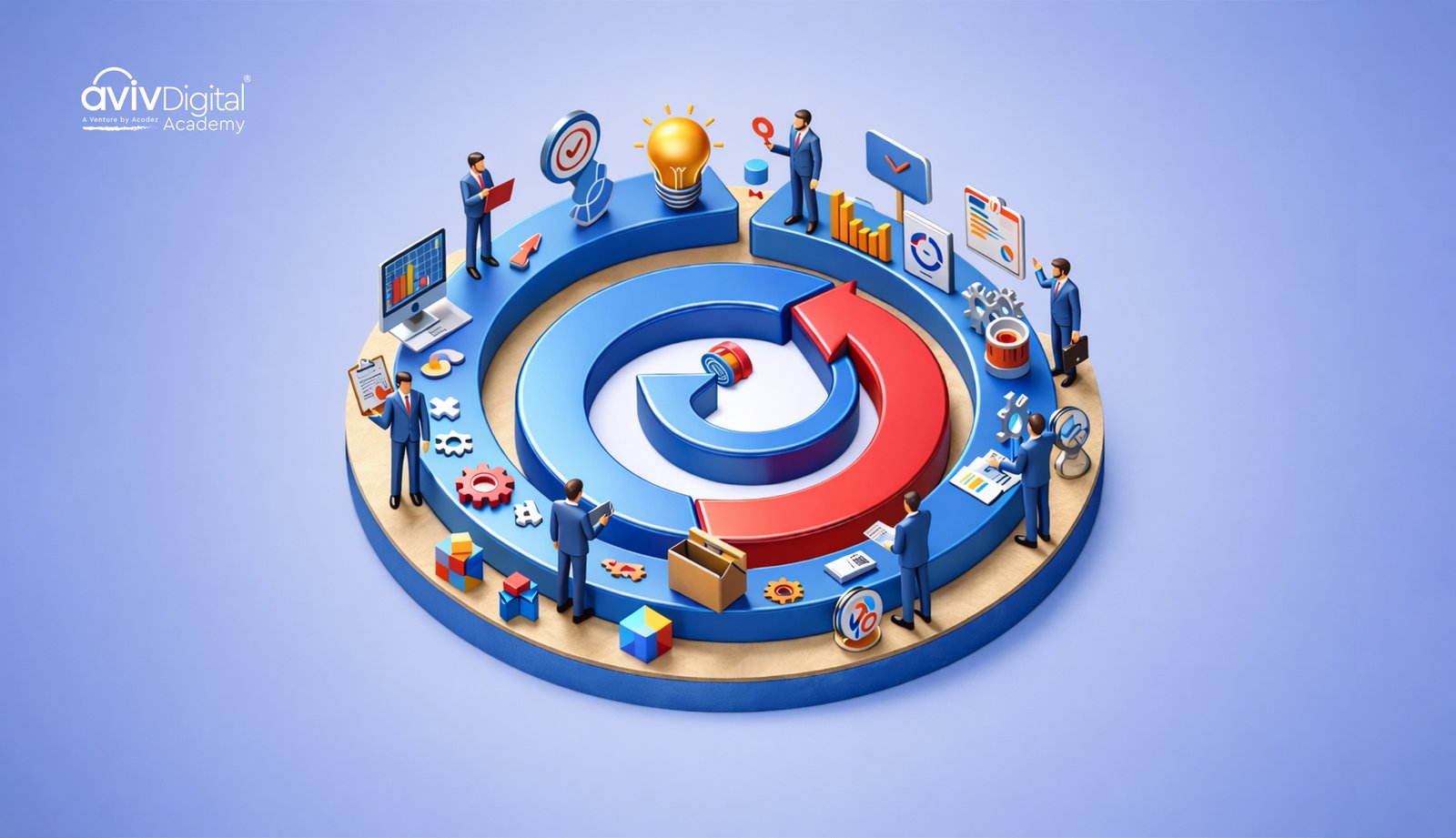
Performance marketing works around a simple idea. Every campaign is tied to a purpose that can be measured. That purpose might be related to leads, sales, or traffic, but it must be defined before anything else moves forward. Once the direction is clear, attention shifts to where the audience already exists online. The platforms chosen depend on usage patterns rather than assumptions. Ads are then delivered to specific user groups using available targeting options such as interests, age range, and online activity. What happens next is what shapes the campaign. User responses are tracked through reporting tools and reviewed at regular intervals. These observations help marketers decide whether adjustments are needed. Changes may involve spending, audience selection, or ad placement, depending on what the data reveals over time.
Top 5 Best Performance Marketing Channels
Performance marketing campaigns are not limited to a single platform. It uses multiple digital channels depending on where the target audience is. Let’s take a look at the top performance marketing channels.

Search Engine Marketing (SEM)
Search Engine Marketing is focused on reaching an audience who are actively looking for information, products or services on search engines such as Google and Bing. Here, the clicks or conversions are easier to measure since the intent is already present. SEM is considered to be a great channel for performance marketing, as search engines are used by 81% of internet users.
Social Media Advertising
Social media advertising is one of the core parts of performance marketing. It allows brands to reach users based on demographics, interests, and online behaviour. Unlike search engines, social media is a more distracted environment where people are not actively looking for products or services. Because of this, ads need to blend naturally into the user’s feed rather than interrupt the experience. And with social, content, and paid search collectively accounting for over 31% of the total marketing budget, it’s clear why brands are investing heavily in getting their social media messaging right.
Affiliate Marketing
Affiliate marketing shifts part of the responsibility to external partners. Brands pay only when a defined action is completed, such as a sale or sign-up. This keeps the risk relatively low. At the same time, performance can vary widely depending on who is promoting the product and how they approach their audience.
Email Marketing
Email has clear goals rather than just being a medium for communication when it comes to performance marketing. Email campaigns are focused on increasing sales and conversions through existing customers with clear CTAs to make them come back again. It’s a direct and one of the most cost-effective channels for personalised campaigns.
Influencer Marketing
Influencer marketing takes a performance marketing-based approach when the outcomes are tracked through links or codes. Instead of focusing only on reach, success is measured through the actions taken by the audience. The effectiveness mostly depends on the influencer and their audience, and how well their needs match with the brand. When tracked through unique links or codes, influencer campaigns can generate an average ROI of around 5-6x for every dollar spent, making them a powerful and measurable growth channel.
Key Metrics in Performance Marketing
Performance marketing relies heavily on Metrics. Each campaign is analysed to understand how the audience interacted with it. These are some of the most important metrics used by marketers.

Click Through Rate (CTR)
CTR shows the percentage of users who click on an ad after viewing it. It helps indicate how appealing the ad is to the audience.
Conversion Rate
Conversion Rate indicates the percentage of users who complete the intended action after clicking an ad. This could be a signup, purchase or download.
Cost Per Click (CPC)
CPC shows how much is spent for each click. It is useful for understanding the traffic costs.
Cost Per Acquisition (CPA)
CPA measures how much it costs to get one conversion. This is one of the most important efficiency metrics.
Return on Ad Spend (ROAS)
ROAS compares revenue generated to money spent on ads. It shows whether the campaigns are profitable.
Bounce Rate
Bounce rate helps identify pages where users leave without engaging. This can point to problems with the landing page or its content.
Customer Acquisition Cost (CAC)
CAC measures the total cost of acquiring a customer, often used to evaluate long-term sustainability.
Advantages of Performance Marketing
Performance marketing continues to gain trust among marketers. According to a recent report, 23% marketers have increased their budget allocation towards performance marketing in 12 months. The following advantages explain why many marketers continue to invest more in performance marketing.
- Measurable Results: Performance marketing shows the performance of the ads within a short span of time. This clarity is one of the biggest strengths of performance marketing. You don’t need to keep guessing what’s working and what’s not.
- Data-Driven Decisions: Instead of relying on your instinct, you can strategically make decisions based on the data you collected over time. You’ll start to see patterns in how the audience takes action after seeing your ad.
- Controllable Budget: Spending money can be adjusted based on the performance of each campaign. You can scale the high-performing campaigns and limit the underperforming campaigns. This flexibility gives more control over the budget and spending it more effectively.
- Targeted Advertising: You get to choose your audience based on the demographics, interests and the online behaviour of your ideal customer. This improves relevance and reduces wasted exposure. Because targeted helps in reaching the audience who are more likely to take action,
- Scalable Campaigns: Successful campaigns can be expanded after they start showing results. Scaling is done based on performance, not assumptions. It’s a gradual process. This makes growth more structured and manageable.
Disadvantages of Performance Marketing
Just like any other marketing strategy, there are areas in which performance marketing falls short. Sometimes, it may make the beginners hesitant towards performance marketing. But understanding these limitations will help you to strategise better.
- High Competition: Many brands are competing for the attention of the same audience on the same platforms. And these audiences are seeing similar ads repeatedly. This can increase costs and make it hard to stay visible. Standing out requires consistent efforts.
- Requires Continuous Monitoring: Performance marketing campaigns need continuous monitoring. Small changes can increase spending or affect the performance. Ongoing review is essential for maintaining results.
- Dependency on Tracking: Data achieved through tracking is the core of performance marketing. Changes in privacy or platform policy can affect the accuracy and quality of data. When tracking weakens, clarity is affected.
- Short-Term Focus: Performance marketing mostly focuses on immediate results. If not planned carefully, long-term brand building might not get the attention it requires. This can affect the sustained growth.
- Ad Fatigue: Seeing the same ad repeatedly can reduce the interest of the user. Engagement will drop if the creatives are not updated at the right time. Managing this requires ongoing creative effort.
Performance Marketing in 2026 and Beyond

Performance marketing is heading toward some significant changes. Like many other industries, AI will increasingly handle campaign optimisation by making data-driven decisions that would otherwise take hours or even days for humans to process. In fact, the AI marketing industry is valued at $47.32 billion in 2025 and is projected to more than double by 2028, highlighting how deeply automation is reshaping marketing operations. The era of third-party cookies is also coming to an end, forcing marketers to rely more on first-party data collected directly through websites, apps, and loyalty programs.
Video content will be more relevant than it already is. Augmented reality try-ons and virtual shopping experiences are becoming normal. Voice commerce through smart speakers and AI assistants is expected to create new channels for performance marketing. This will need completely new strategies compared to what works today. And one of the major changes expected is blockchain technology being a part of advertising for verification and transparency purposes. This would help in solving the ongoing concerns about ad fraud. In the coming years, privacy will become the pillar in marketing. Campaigns will be designed around consent and transparency. In 2026, the success of marketers lies in balancing automation and creative thinking. Those who can deliver personal and relevant experiences while respecting the privacy and consent of the users will see results. And marketers must get ready to adapt quickly to platforms and technologies that are rapidly changing.
Coclusion
Over time, performance marketing has influenced how businesses deal with advertising. Instead of relying on assumptions or hoping something works, marketers now look at real actions and responses. This has made decision-making clearer, especially when it comes to understanding spending and results. Many businesses use performance marketing for this reason, but it does not work automatically. It needs regular attention, proper tracking, and a basic understanding of how people behave online. When these parts are ignored, even well-planned campaigns can slowly lose their effectiveness. Without doing this, even carefully crafted campaigns can fail eventually. But the ability to track every click, conversion and customer interaction will change the scenario completely. Performance marketing is evolving. But that hasn’t changed the core principle-paying for what works, measuring what’s important, and making adjustments based on real data. This focus continues to define the performance marketing landscape.
Aviv Digital Academy is one of the leading Digital Marketing Course in Calicut. We offer a wide variety of globally recognised certification programs that include SEO, SEM, SMM, Email Marketing and Inbound Marketing courses. For more details, Contact us at: +91 8156998844
Frequently Asked Questions
Can small businesses benefit from performance marketing?
Yes, it is possible. Performance marketing is one of the most cost-effective and scalable marketing strategies. It gives control over the budget and is very useful for small businesses.
What are some of the most used platforms for performance marketing?
Platforms like Google Ads and Meta Ads managers are among the most used platforms in performance marketing. Google Ads are used for SEM, and Meta Ads for SMM on Meta platforms.
Where can I learn performance marketing?
To understand the concept of performance marketing thoroughly, it is important to choose a course that covers all the areas in detail. Learning from the best digital marketing institute in Calicut can help you shape a career in performance marketing.